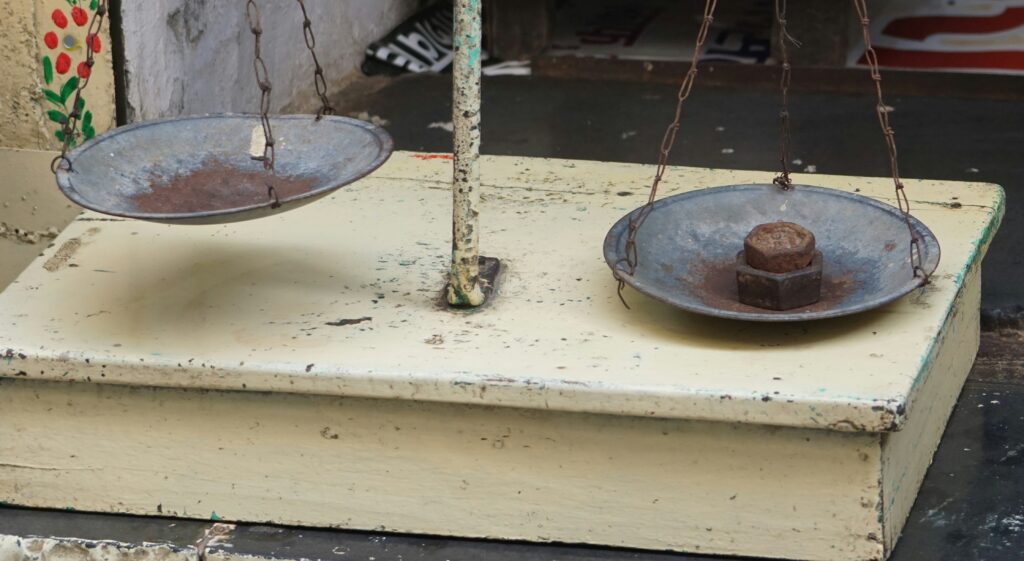
Research suggests there are 4 broad categories . . .

Photo by Markus Winkler on Unsplash
As a psychologist, I was intrigued by some recent research on thinking which was reported by the Guardian in their Science Weekly podcast.
It was only a small study – less than 300 participants – but it found some thought provoking results nevertheless. In the research people were given an app which beeped randomly 8 times a day at which point they were asked to respond to three questions: what they were thinking about; what they were doing; and how they were feeling. Unsurprisingly the researchers found that thoughts tended to follow the rhythm of the day; more work focused earlier and leisure focused later. They also found that approximately half of thoughts were intentional (e.g. pondering an issue) and half just seemed to pop into people’s head from nowhere.
Participants appeared to fall into one of four clusters of thinking preference when their thoughts wandered:
- ‘Worriers’ tended to focus on wider outside events and issues and their personal safety or health e.g. global warming, public safety, data centres, Covid.
- ‘Bodily’ focused thought about their sensory feelings and their mind, e.g. pondering a sore throat, feeling uncomfortably warm, or wondering if they overdid it at the gym.
- ‘Domestic’ thinkers, concentrated on chores, finances, family events and things at home.
- ‘Work hard/play hard’ balanced thoughts about work/tasks that needed to be done with thoughts about their leisure time or personal interests, like art. These were the people who most frequently reported that they were feeling content or happy.
Obviously, we may all think about these different things depending on circumstances. For example, if I’ve just read a newspaper article I may be more focused on worrying world events; or if I’ve had a Whatsapp photo from a family member I might be thinking about when I will next see them. However, it could be interesting to notice where your thoughts go when you next catch yourself day dreaming.
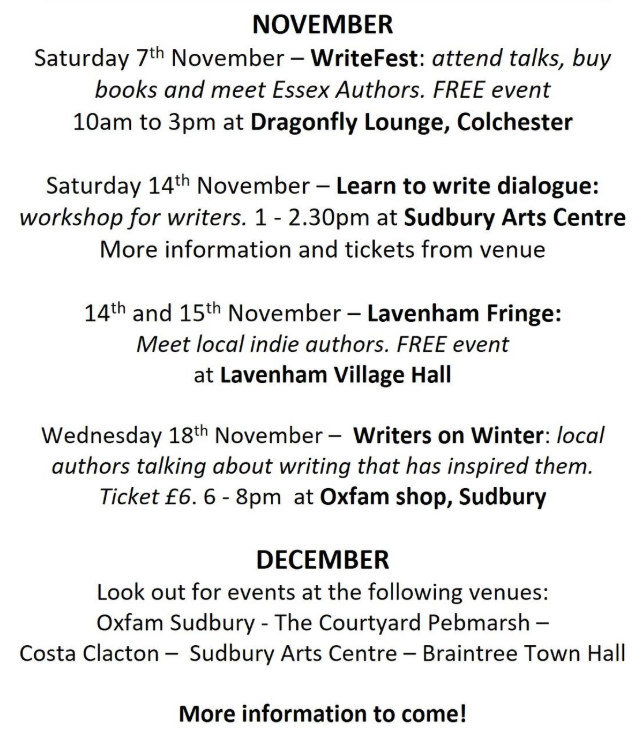
What’s coming up next month
And finally
If you enjoy the crime genre this is a really interesting newsletter from Dead East, the Anglian Authors Crime Collective. https://deadeast.substack.com/p/dead-east-october-2026
If you wish to unsubscribe, I’ll be sorry to see you go but please reply with UNSUBSCRIBE in the subject line and I’ll remove you from the distribution list.